
26 May Who Is Responsible for Roof Safety on Commercial Buildings?
Commercial rooftops are accessed more frequently than ever before.
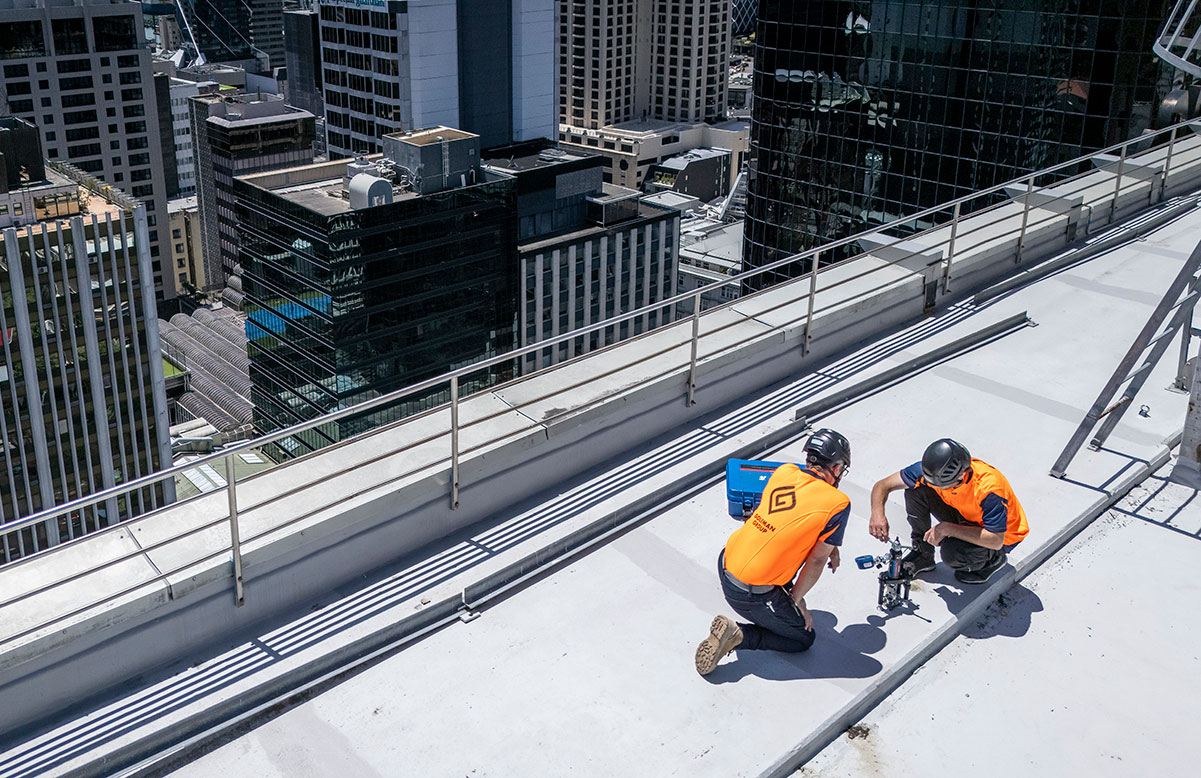
From HVAC servicing to solar maintenance and roofing inspections, contractors regularly work in high-risk areas above ground level.
But when it comes to roof safety, one question appears repeatedly:
Who is actually responsible?
The answer is often more complex than many building owners expect.
Roof Safety Is a Shared Responsibility
Under New Zealand health and safety legislation, multiple parties may hold responsibilities depending on the situation.
This can include:
- Building owners
- PCBUs
- Facility managers
- Employers
- Contractors
- Maintenance providers
Each party has duties to ensure risks are identified and managed appropriately.
What Responsibilities Do Building Owners Have?
Building owners may be responsible for ensuring:
- Safe roof access exists
- Hazards are identified
- Safety systems are maintained
- Contractors can access rooftops safely
- Existing systems remain compliant
If a building contains known risks such as:
- Fragile skylights
- Unprotected edges
- Unsafe access ladders
- Non-compliant anchor systems
There may be an expectation that these hazards are addressed.
What About Contractors?
Contractors also hold responsibilities when working at heights.
This includes:
- Following safe work procedures
- Using safety systems correctly
- Conducting risk assessments
- Ensuring workers are trained
- Using compliant equipment
However, contractors cannot always control the condition of the building itself.
If a rooftop lacks safe access infrastructure, the risk remains.
Why Older Buildings Often Create Problems
Many older commercial buildings were not originally designed with modern roof access requirements in mind.
As rooftop equipment increases, buildings may require upgrades to support safe ongoing maintenance.
Common issues include:
- No permanent anchor systems
- Poor ladder access
- Unsafe roof layouts
- No edge protection
- Fragile roof materials
The Importance of Permanent Safety Systems
Permanent height safety systems help reduce uncertainty around rooftop access.
These systems can include:
- Guardrails
- Walkways
- Static lines
- Anchor points
- Access ladders
- Safety gates
Well-designed systems support both safety and compliance while making maintenance access more efficient.
Why Documentation Matters
If an incident occurs, documentation becomes extremely important.
Building owners should maintain records relating to:
- System inspections
- Certifications
- Maintenance history
- Safety assessments
- Contractor access procedures
Accurate records demonstrate proactive risk management.
How Roof Safety Assessments Help
Professional roof safety assessments can identify:
- Existing hazards
- Non-compliant systems
- Unsafe access routes
- Missing protection systems
- Areas requiring upgrades
These assessments help building owners better understand their risk exposure and compliance obligations.
Final Thoughts
Roof safety responsibilities are shared across multiple parties, but building owners still play a critical role in providing safe access environments.
As rooftop maintenance requirements continue growing, investing in compliant height safety systems helps reduce risk, support contractors, and improve long-term building safety.