
19 Aug Bird Deterrent Systems: Protecting Your Property from Damage and Health Risks
Birds nesting or roosting on commercial buildings might seem like a minor nuisance, but left unmanaged, they can cause real damage to your property — and create genuine health and safety risks for tenants, staff, and visitors.
Why Bird Activity Is a Bigger Problem Than It Looks
Damage to building surfaces and equipment. Bird droppings are acidic and, over time, can corrode metal surfaces, stain paintwork and render, and degrade roofing materials. Nesting debris can block gutters, downpipes, and ventilation systems, leading to the same water damage issues caused by general gutter neglect.
Health risks. Bird droppings can carry a range of pathogens, and dried droppings can become airborne, posing a respiratory risk — particularly relevant for buildings with rooftop plant, ventilation intakes, or outdoor areas used by staff and the public.
Fire and equipment risk. Nesting material near rooftop plant, electrical equipment, or HVAC systems can pose a fire hazard and interfere with equipment performance.
Slip hazards and presentation. Droppings on walkways, entrances, and balconies create both a slip risk and an immediate negative impression for anyone visiting your property.
Common Bird Deterrent Solutions
There’s no one-size-fits-all answer — the right deterrent depends on the bird species, the building structure, and the specific areas affected.
- Bird spikes: physical deterrents installed on ledges, beams, and signage to prevent landing and roosting.
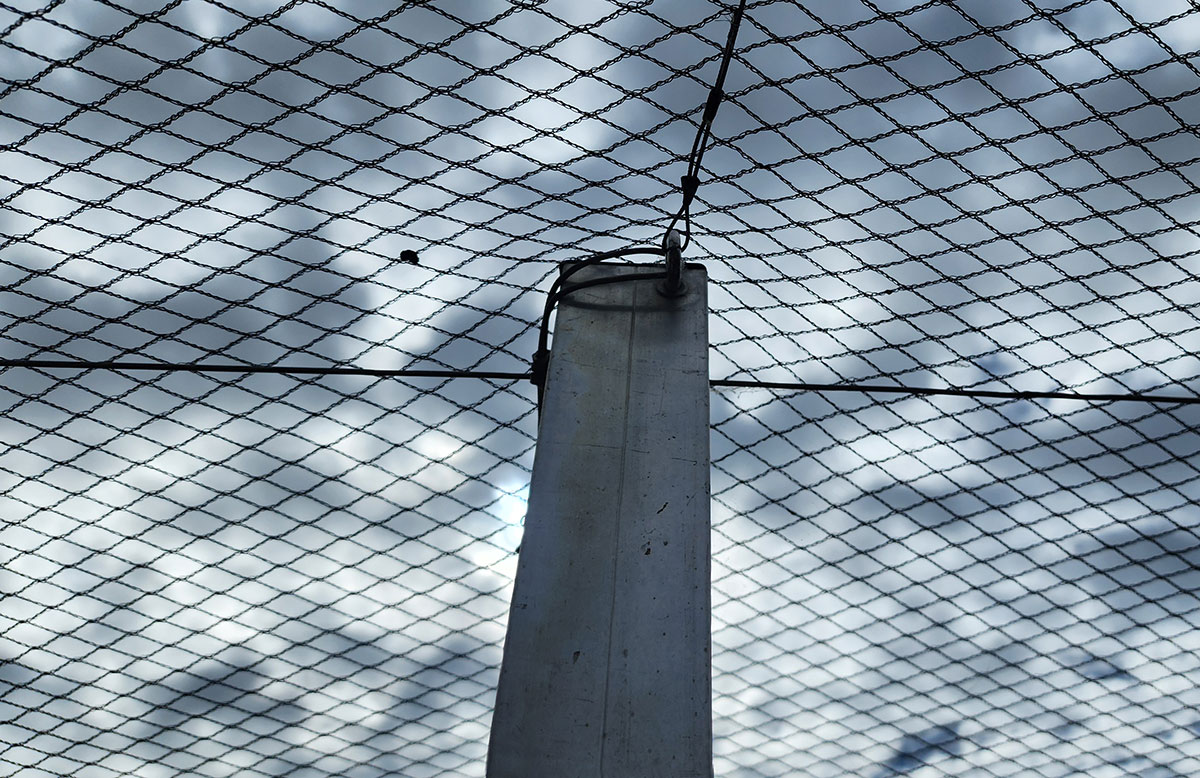
- Netting: used to exclude birds from larger areas like atriums, loading docks, or undercover spaces.
- Wire and post systems: discreet tensioned wire systems that deter landing on ledges and parapets without being visually obtrusive.
- Visual and sonic deterrents: less invasive options that can be effective for some species and situations, often used alongside physical measures.
- Site-specific cleaning and removal: addressing existing droppings and nesting debris as part of the initial treatment, not just the ongoing deterrent.
Why Professional Installation Matters
Bird deterrent systems often need to be installed at height — on rooflines, parapets, ledges, and signage — which means the installation itself carries the same access and safety considerations as any other height-access maintenance work. A poorly installed system can also be ineffective, simply relocating the problem to an untreated area of the building rather than resolving it.
A Long-Term Investment, Not a One-Off Fix
The most effective bird management combines an initial clean-up of existing debris and droppings with a properly designed and installed deterrent system suited to your building. This protects the asset, reduces the recurring cost of cleaning bird debris, and removes the associated health and safety risks.
Goleman’s Approach
Goleman designs and installs bird deterrent systems as part of our wider commercial asset maintenance services, drawing on our height access expertise to reach problem areas safely — from rooflines to ledges to awkward architectural features. Get in touch for a free assessment of your bird activity issue and a deterrent solution suited to your building.