
21 May Fall Prevention vs Fall Arrest – What’s the Difference?
When it comes to working at heights, not all safety systems are designed the same way.
Two of the most commonly misunderstood terms in height safety are fall prevention and fall arrest. While both are designed to reduce the risk of serious injury, they function very differently.
Understanding the difference is important for building owners, facility managers, contractors, and anyone responsible for rooftop safety.
What Is Fall Prevention?
Fall prevention systems are designed to stop a fall from occurring in the first place.
These systems physically prevent workers from reaching a fall hazard.
Examples include:
- Guardrails
- Roof edge barriers
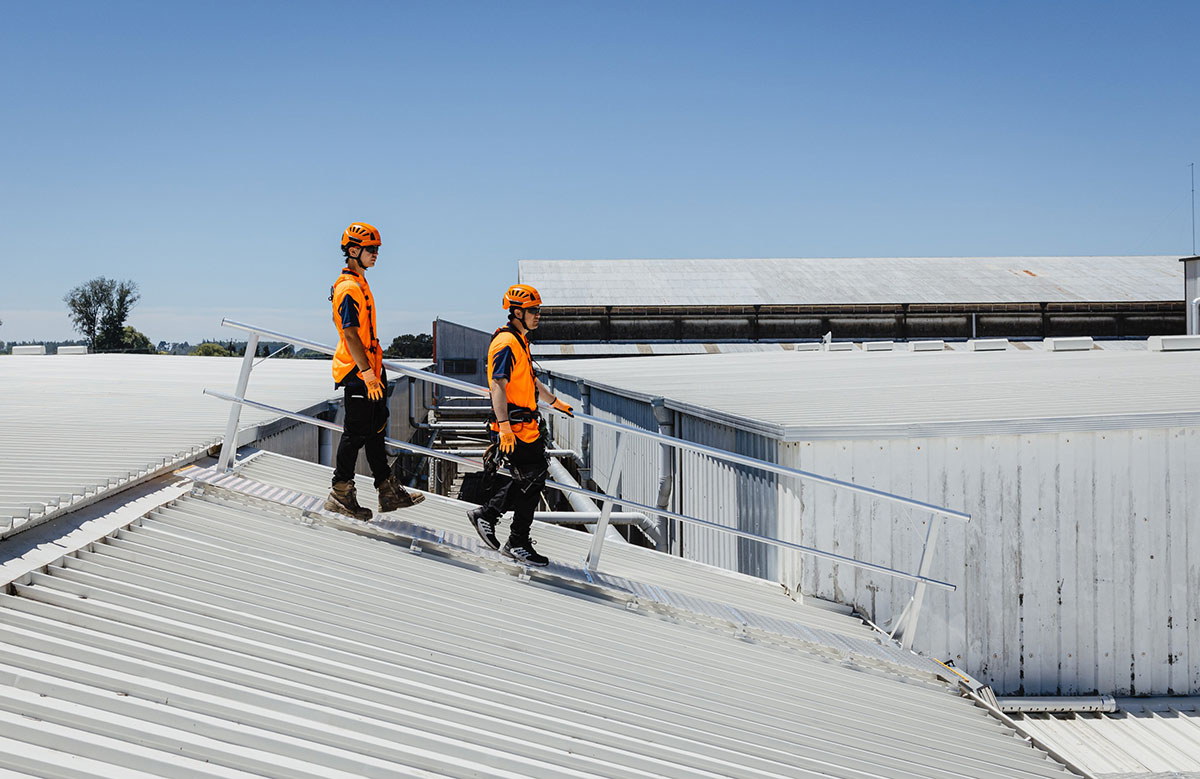
- Walkways
- Safety gates
- Fixed platforms
Fall prevention is generally considered the preferred approach because it removes much of the reliance on human behaviour and PPE.
What Is Fall Arrest?
Fall arrest systems are designed to stop or minimise injury after a fall has already occurred.
These systems typically involve:
- Harnesses
- Static line systems
- Anchor points
- Lanyards
- Energy absorbers
Workers using fall arrest systems are still exposed to fall hazards, but the system aims to reduce the severity of injury if a fall happens.
Which System Is Safer?
In most situations, fall prevention systems are considered safer because they eliminate direct exposure to fall risks.
This aligns with the hierarchy of controls used in workplace safety.
Where possible, risks should be:
1. Eliminated
2. Isolated
3. Minimized
Guardrails and physical barriers are often preferred over relying solely on harness systems.
Why Many Buildings Use Both
In practice, many commercial buildings require a combination of systems.
For example:
- Guardrails may protect roof edges
- Static lines may protect maintenance zones
- Walkways may guide safe access routes
- Anchor points may support specialised maintenance tasks
The right solution depends on:
- Roof design
- Frequency of access
- Building use
- Maintenance requirements
- Existing hazards
Common Fall Prevention Systems
Guardrails
Guardrails create a physical barrier between workers and roof edges.
Walkways
Walkways provide designated safe access paths across rooftops.
Safety Gates
These help secure access points and ladder entry zones.
Platforms
Platforms create stable working areas for maintenance tasks.
Common Fall Arrest Systems
Static Line Systems
These allow workers to remain connected while moving across roof areas.
Anchor Points
Anchor points provide secure attachment locations for harness systems.
Horizontal Lifelines
These systems support worker movement across larger rooftop zones.
The Role of Training
Fall arrest systems require proper training to ensure workers:
- Use equipment correctly
- Understand rescue procedures
- Inspect PPE properly
- Connect safely to systems
Without proper training, even certified systems can become unsafe.
Why Compliance Matters
Height safety systems should be:
- Professionally designed
- Properly installed
- Regularly inspected
- Certified to current standards
Non-compliant or poorly maintained systems can create serious legal and safety risks.
Final Thoughts
Both fall prevention and fall arrest systems play an important role in commercial height safety.
The safest approach is usually a combination of systems tailored to the building and the work being carried out.
A professional height safety assessment can help determine the most effective strategy for reducing risk while supporting safe and efficient rooftop access.