
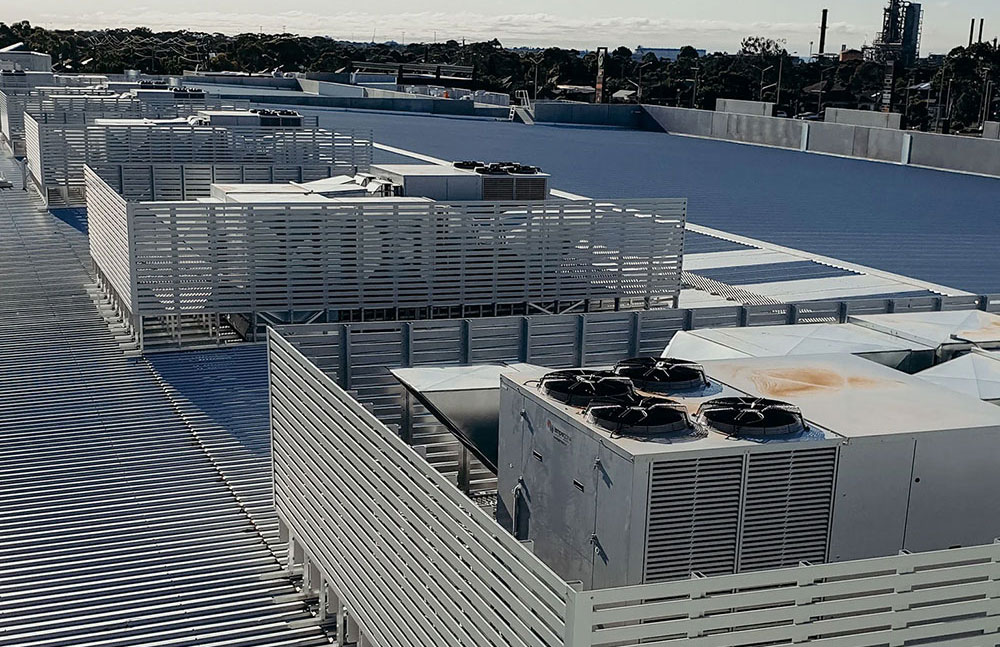
24 May The Best Roof Access Solutions for HVAC Maintenance
Modern commercial buildings rely heavily on rooftop HVAC systems.
From ventilation units to air conditioning systems and mechanical plant equipment, rooftops now require regular access for servicing and maintenance.
But while HVAC systems are essential, accessing them safely is often overlooked.
Without proper roof access infrastructure, routine maintenance can expose contractors and building owners to significant risk.
Why HVAC Maintenance Creates Height Safety Risks
HVAC technicians frequently work:
- Near roof edges
- Around fragile surfaces
- In changing weather conditions
- Across uneven rooftops
- Around congested plant zones
Many buildings were never designed for the level of rooftop access now required.
As a result, technicians may rely on:
- Portable ladders
- Unsafe walk paths
- Temporary anchor systems
- Improvised access routes
This increases the likelihood of incidents and compliance issues.
What Makes a Good Roof Access System?
An effective roof access system should:
- Provide safe entry and exit points
- Protect workers near hazards
- Support efficient maintenance access
- Reduce setup time
- Remain compliant with safety standards
The best systems are designed specifically around how contractors move through the rooftop environment.
Common Roof Access Solutions for HVAC Areas
Roof Walkways
Walkways create defined safe access routes between roof entry points and plant equipment.
This helps reduce:
- Slip risks
- Roof damage
- Unsafe movement
- Exposure to fragile surfaces
Guardrails
Guardrails provide passive fall protection around roof edges and elevated plant zones.
These systems are particularly valuable because they do not rely heavily on worker behaviour.
Static Line Systems
Static lines allow technicians to remain connected while moving around rooftop equipment.
They are useful where guardrails are not practical.
Fixed Access Ladders
Fixed ladders provide safer and more consistent roof access than temporary ladders.
Access Platforms
Platforms create stable work zones around rooftop plant equipment.
This improves both safety and maintenance efficiency.
Why Permanent Systems Often Make More Sense
Buildings requiring regular HVAC servicing benefit significantly from permanent safety systems.
Compared with temporary setups, permanent systems offer:
- Faster maintenance access
- Reduced labour time
- Improved compliance
- Lower long-term risk
- Greater consistency for contractors
As rooftop maintenance frequency increases, permanent systems often become more cost-effective over time.
The Importance of System Design
No two rooftops are the same.
An effective HVAC access solution should consider:
- Roof layout
- Equipment location
- Frequency of access
- Future maintenance requirements
- Existing hazards
- Contractor movement patterns
Poorly designed systems can create bottlenecks, inefficiencies, and ongoing safety concerns.
Supporting Contractor Safety
HVAC technicians often work across multiple buildings each day.
Providing clear, compliant access systems helps:
- Reduce confusion
- Improve efficiency
- Lower risk exposure
- Support safer work practices
This can also improve contractor relationships and maintenance consistency.
Final Thoughts
To ensure safe HVAC maintenance on commercial roofs, building owners should install permanent platforms and guardrails. This complies with NZ safety standards by prioritizing collective protection over individual fall arrest systems.
As commercial rooftops become more complex, safe HVAC access is increasingly important.
Well-designed roof access systems help protect contractors, improve maintenance efficiency, and support long-term compliance.
If your building relies on regular rooftop servicing, reviewing your current access setup could help identify opportunities to improve both safety and operational performance.